🚚 Free Worldwide Shipping on All Orders!Shop Now
Jobu Pot Mat
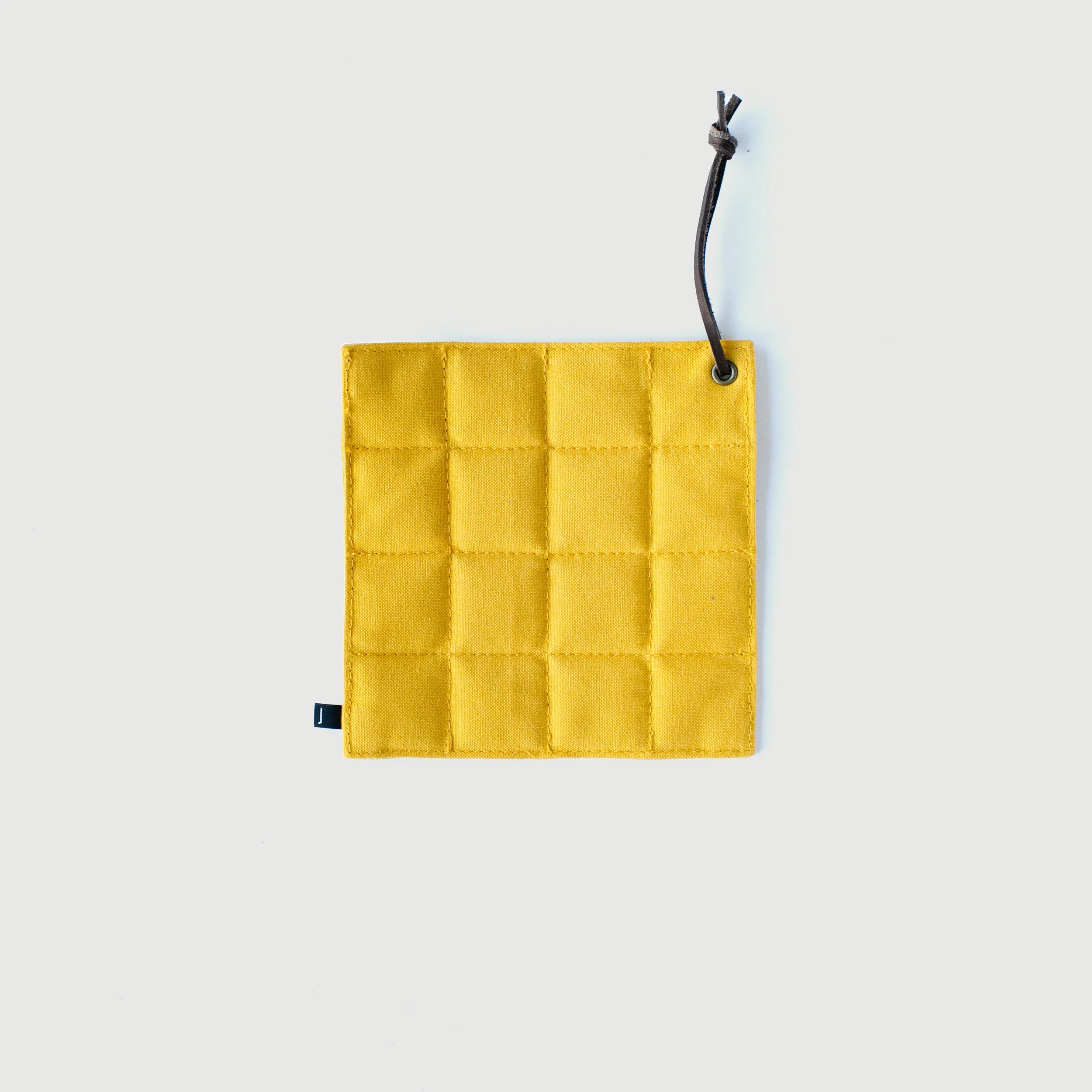
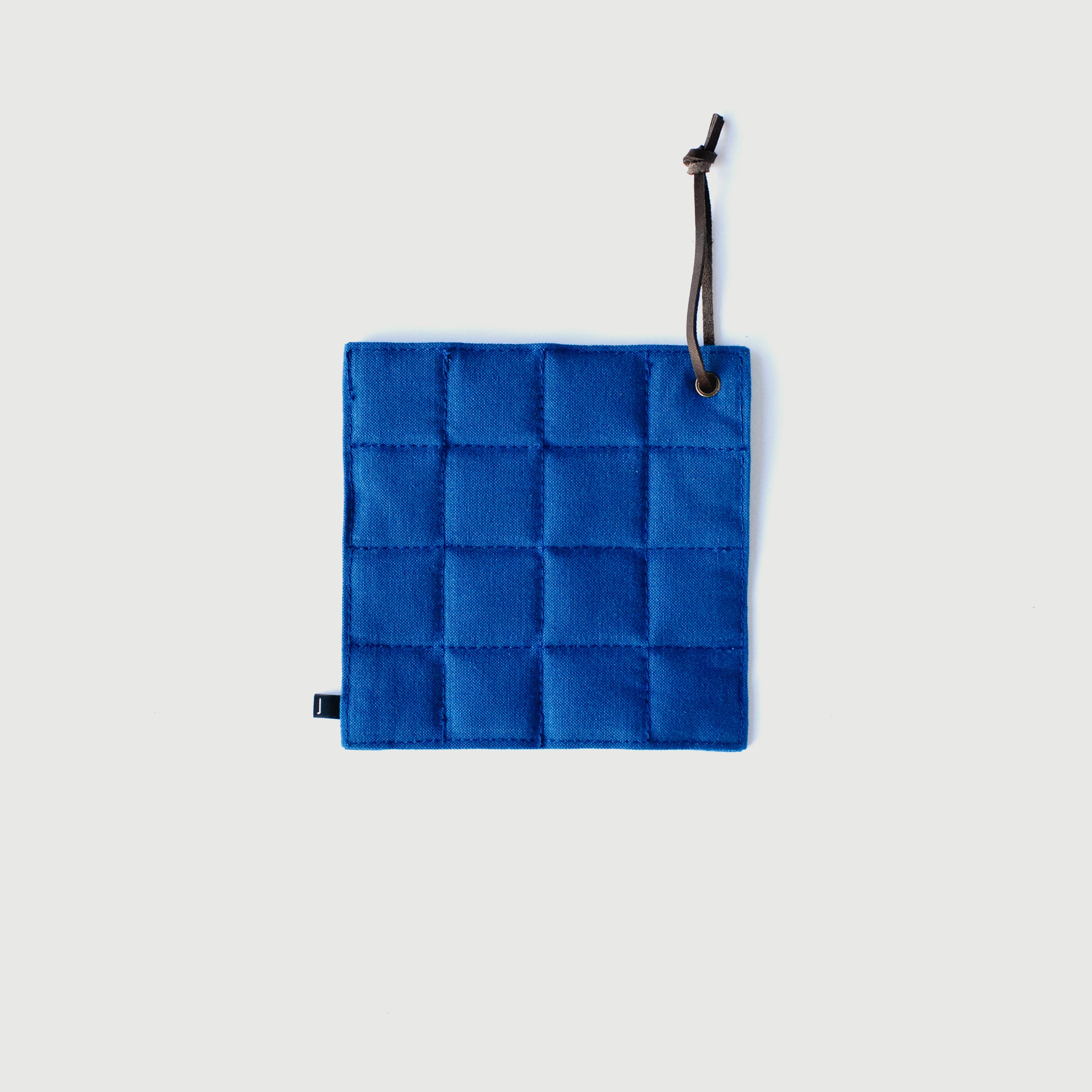
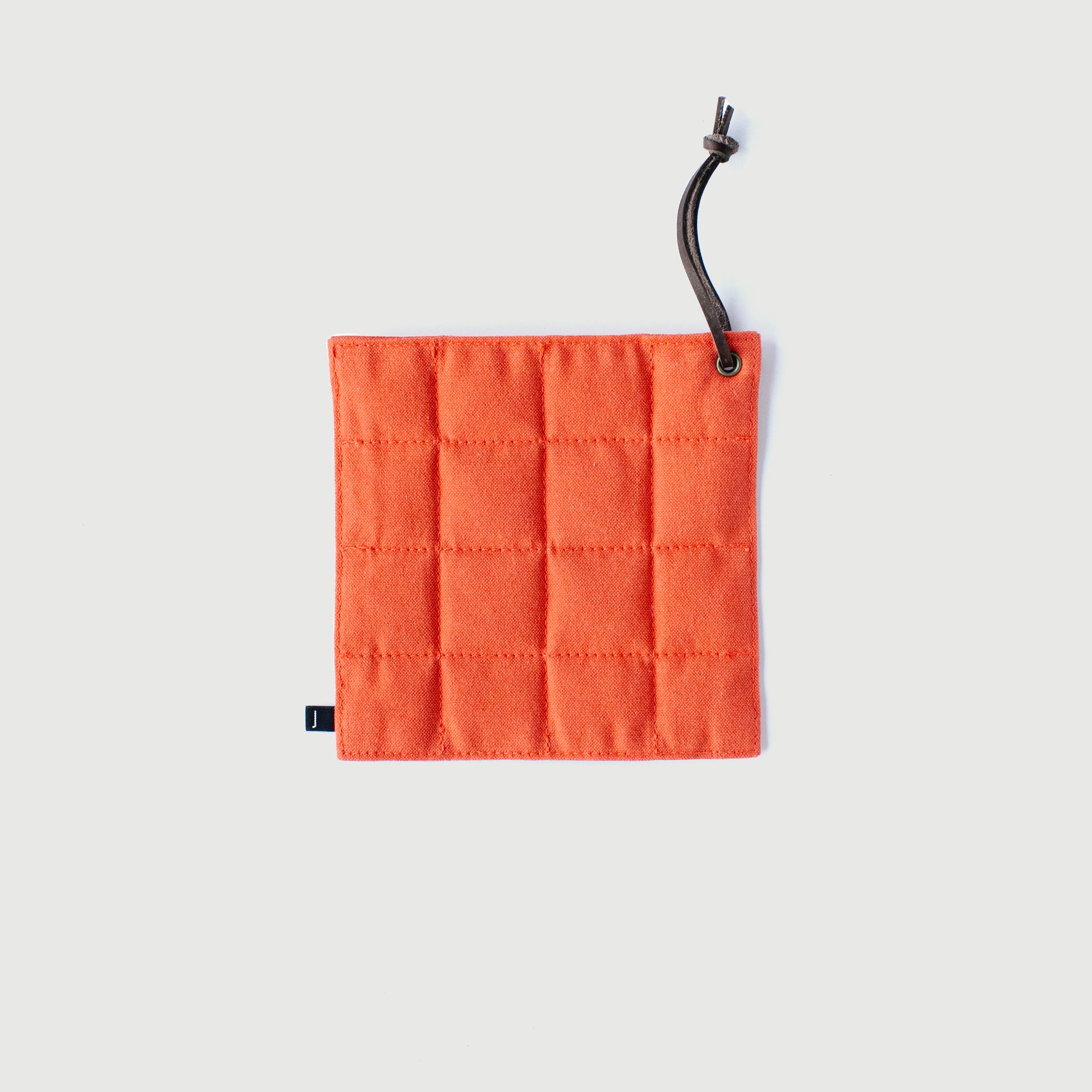
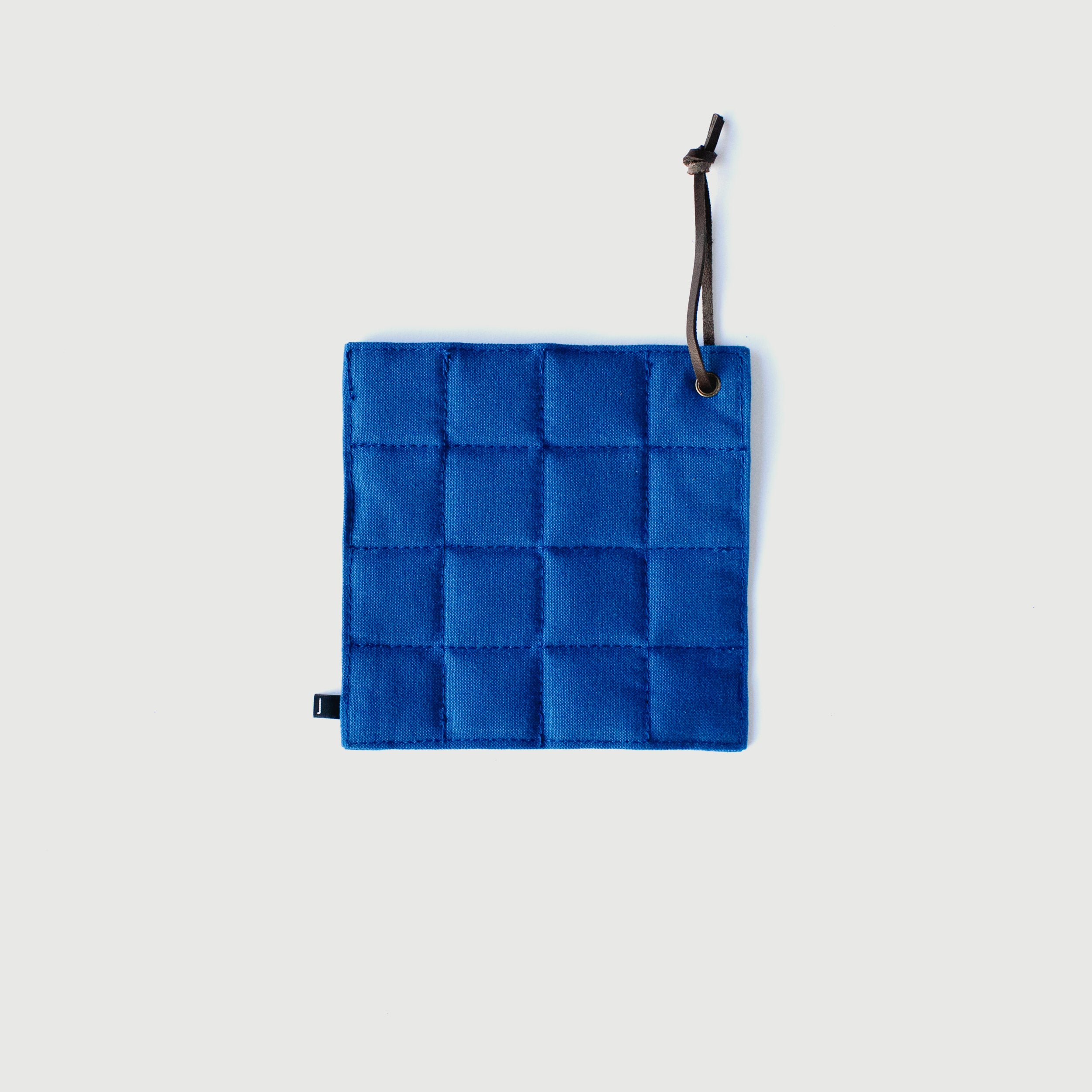
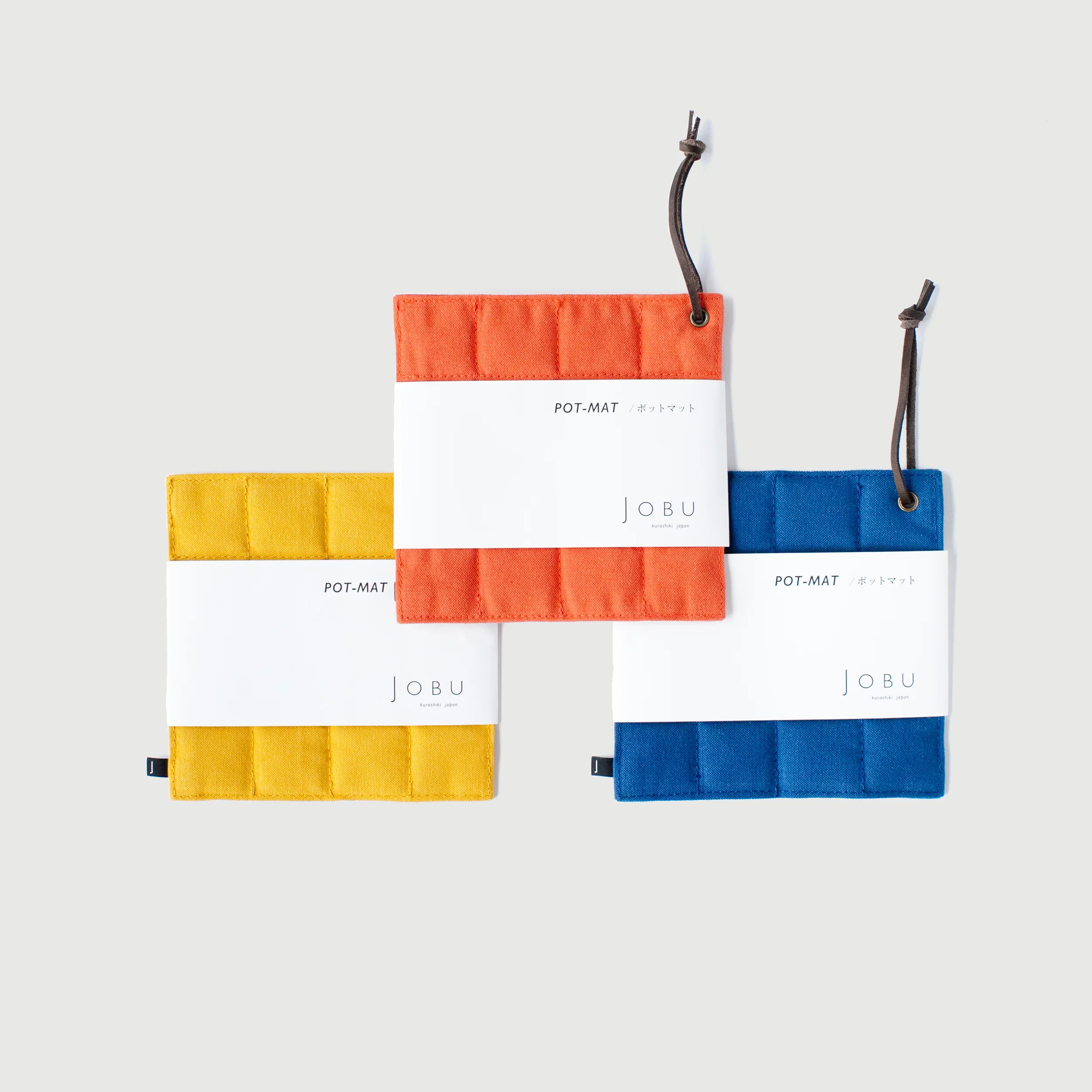
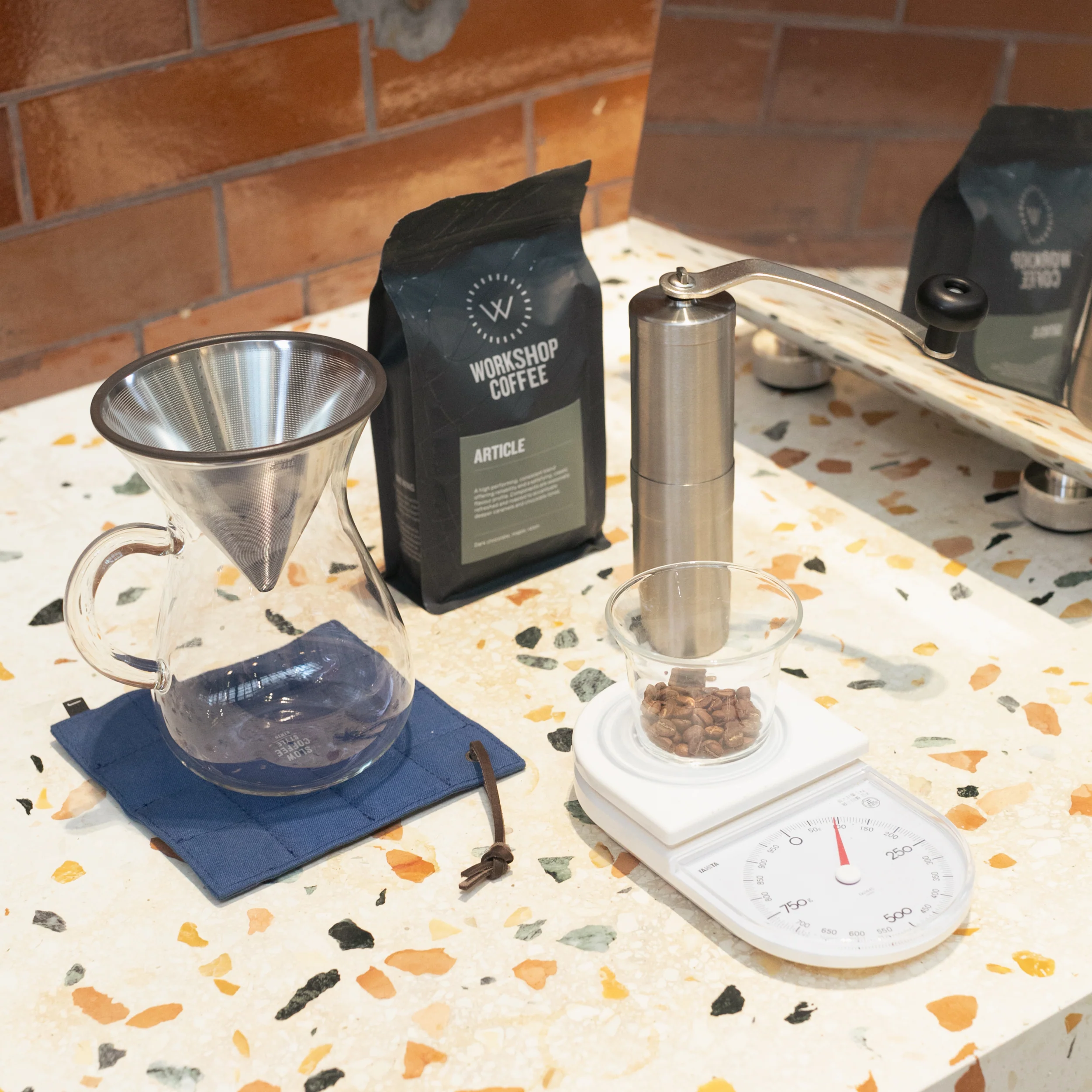
A square pot mat made from Kurashiki sailcloth canvas*.
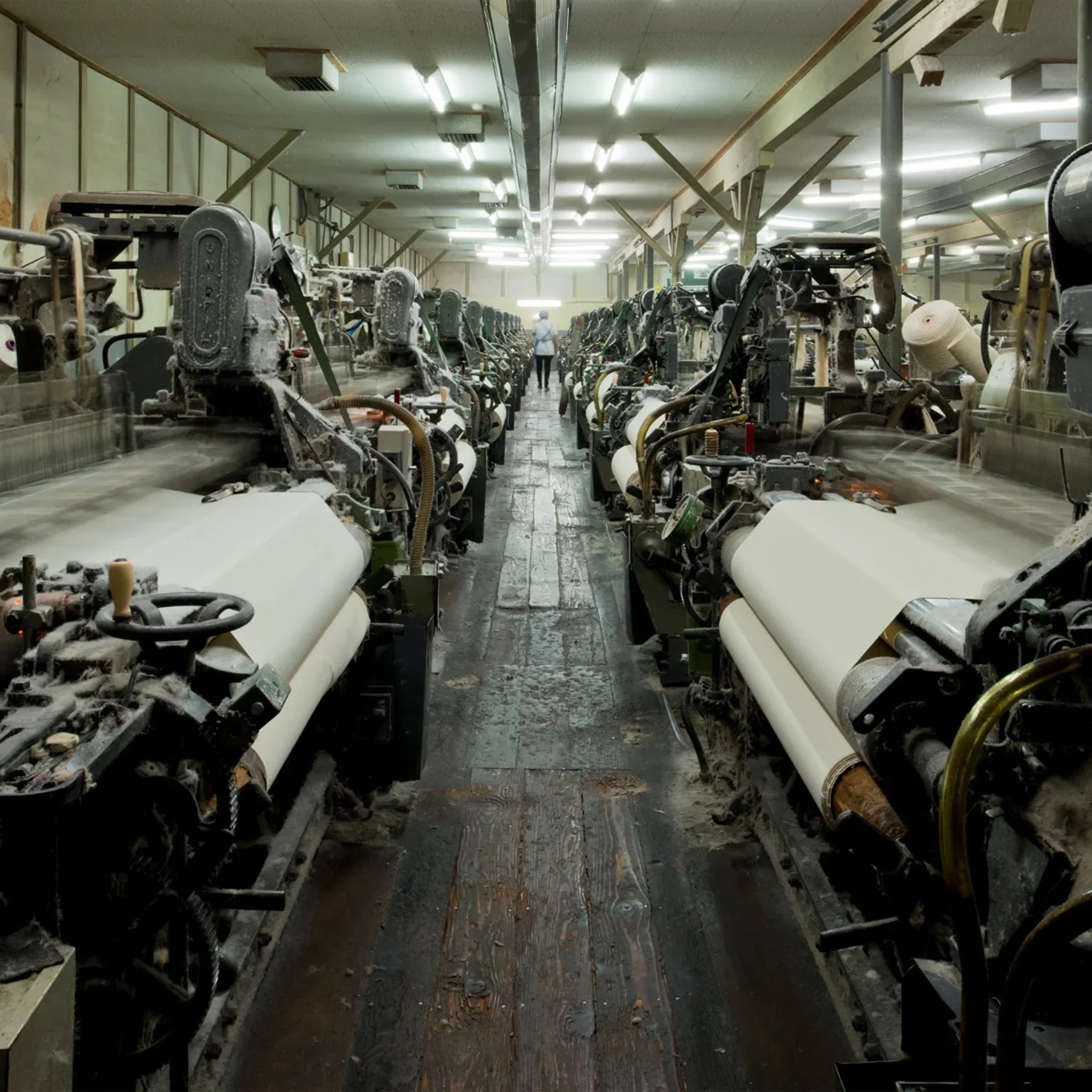
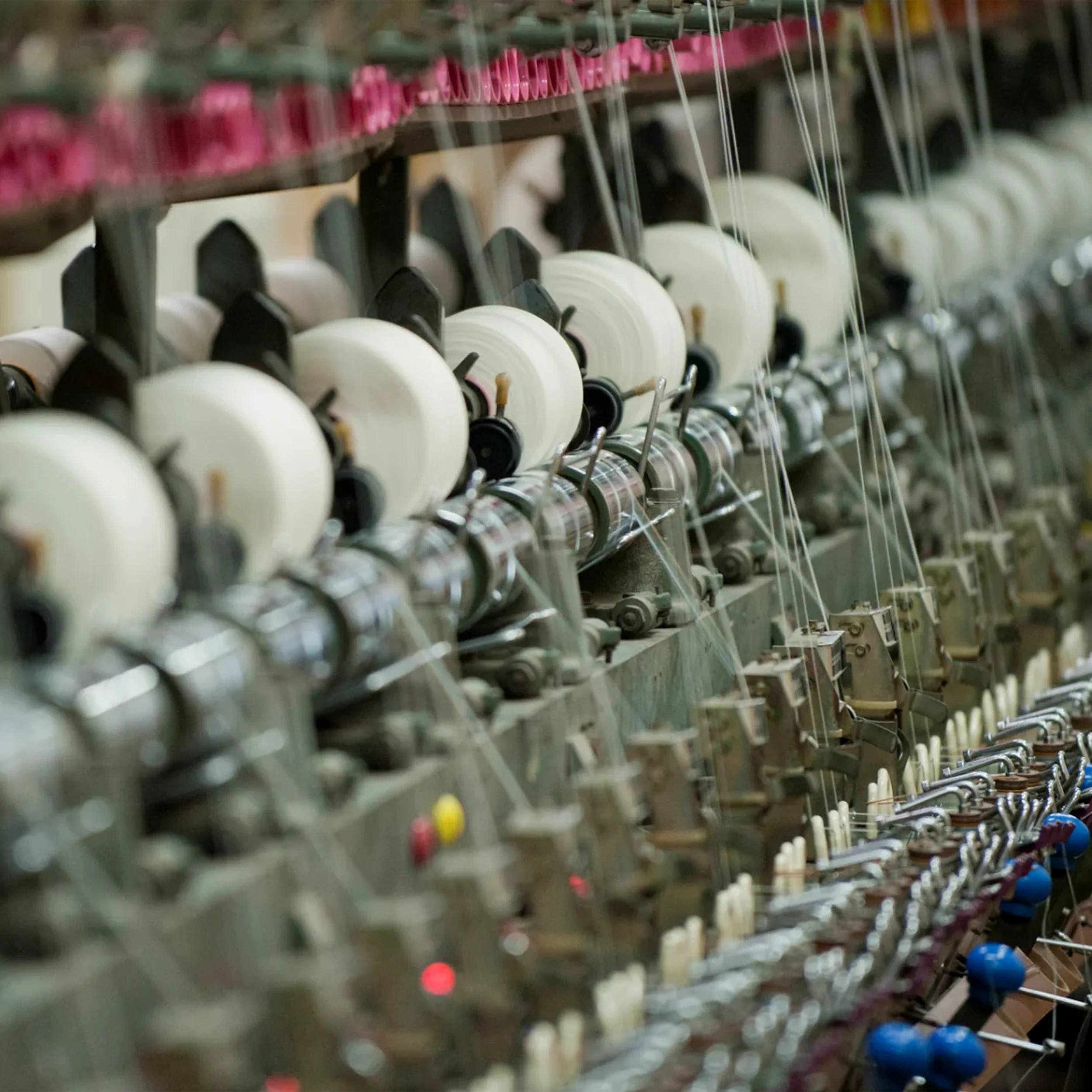
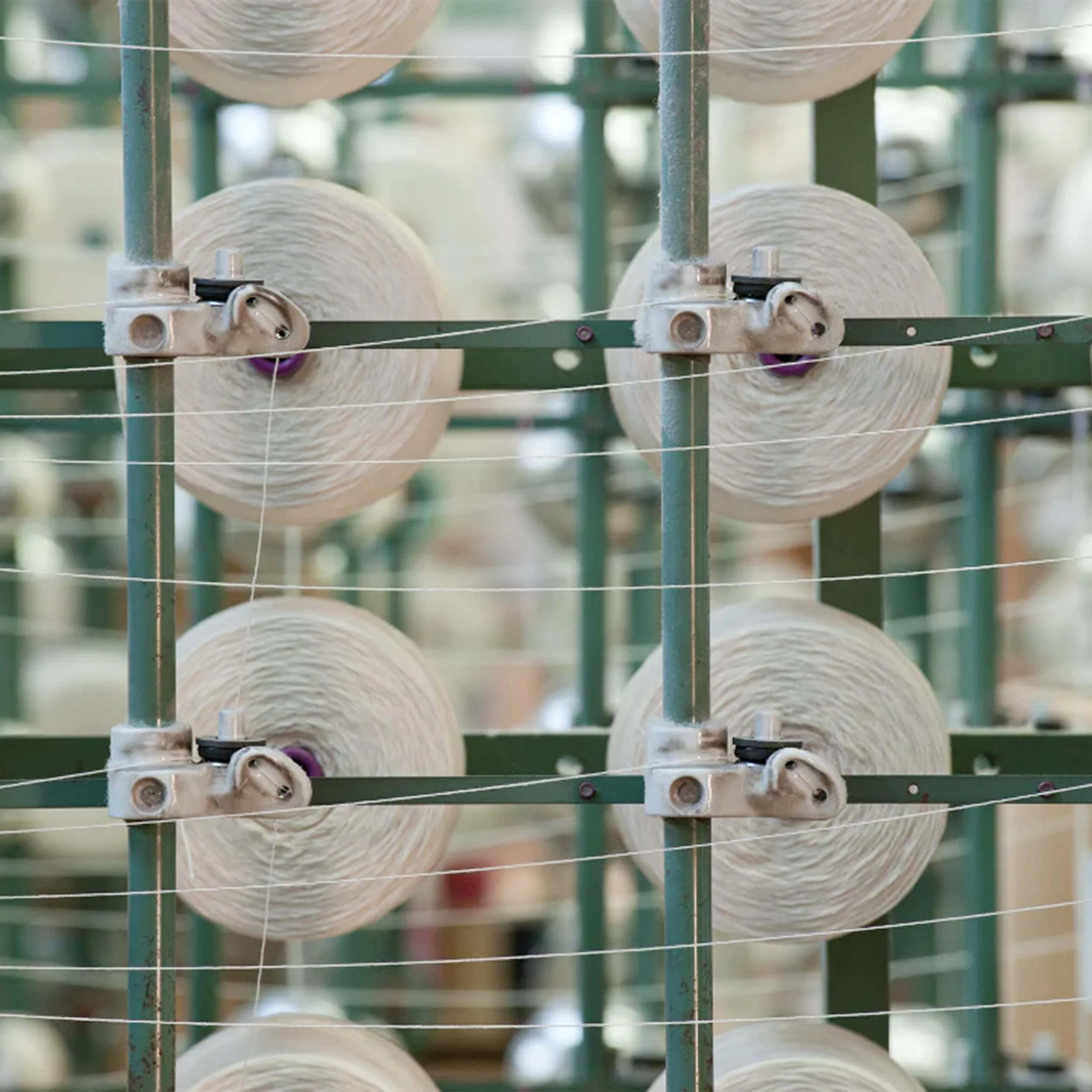
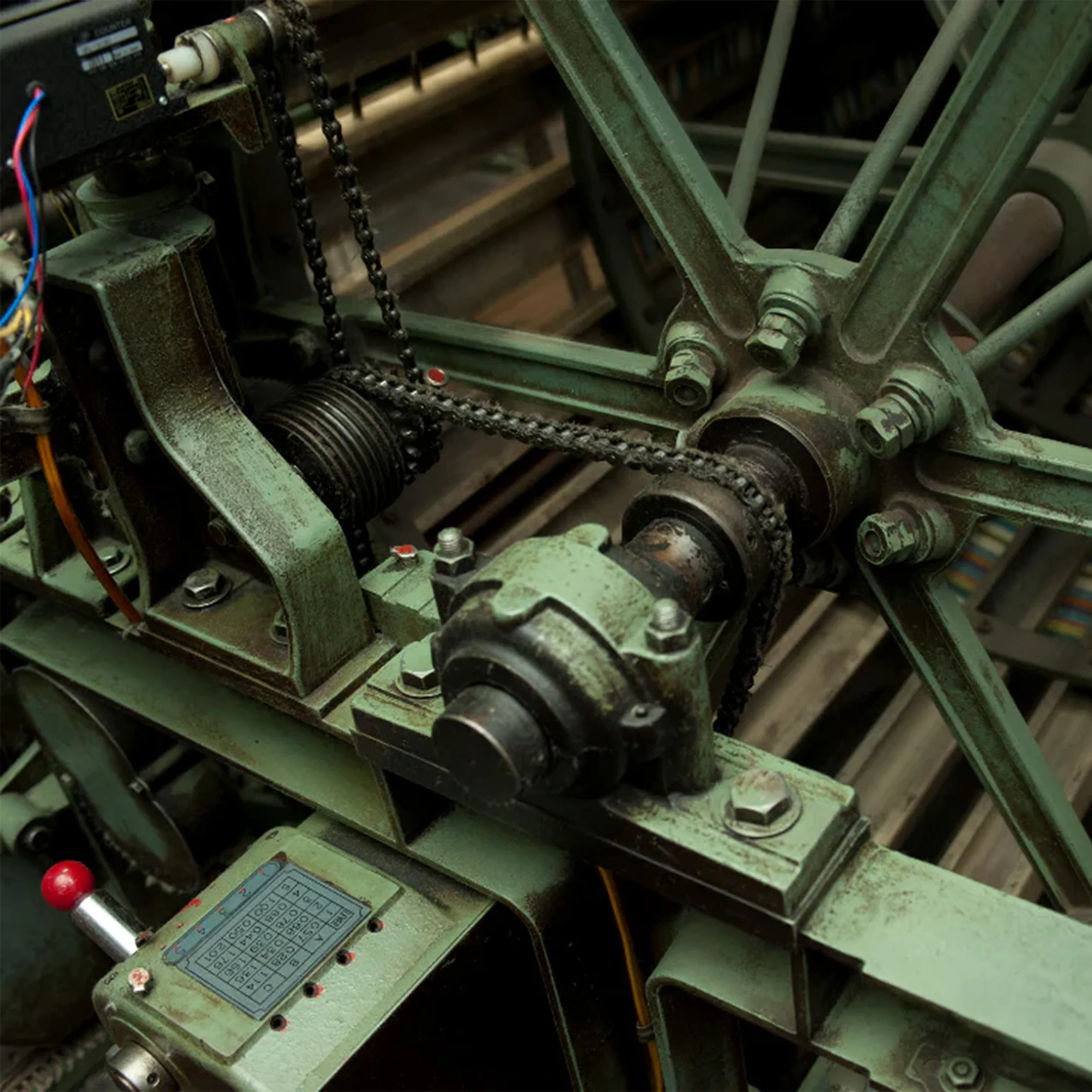
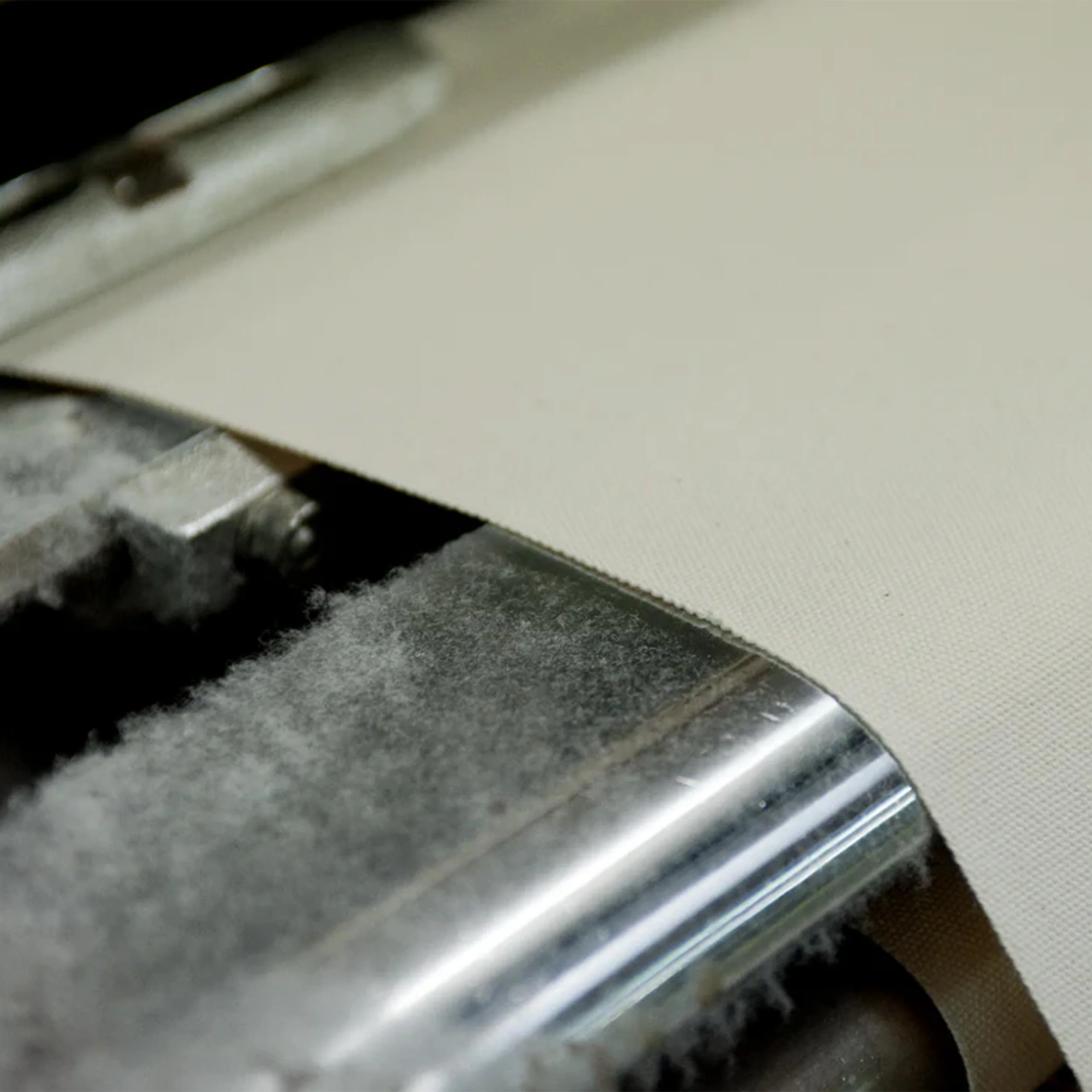
*Thick, plain-woven fabric that weighs eight-ounces or more per square meter is called sailcloth. It is a natural material produced originally for boat sails in Kurashiki City, Okayama Prefecture in the late Edo Period. The company manage the entire process from the twisting of a single thread to the weaving a fabric roll. They still use shuttle looms (largely replaced in favour of modern, faster machines) to give the fabric a beautiful texture which develops a lovely patina with age. The 'selvedge' weft threads found on the sides of the fabrics are proof that the product is made with a shuttle loom.
Made in Japan
*Thick, plain-woven fabric that weighs eight-ounces or more per square meter is called sailcloth. It is a natural material produced originally for boat sails in Kurashiki City, Okayama Prefecture in the late Edo Period. The company manage the entire process from the twisting of a single thread to the weaving a fabric roll. They still use shuttle looms (largely replaced in favour of modern, faster machines) to give the fabric a beautiful texture which develops a lovely patina with age. The 'selvedge' weft threads found on the sides of the fabrics are proof that the product is made with a shuttle loom.
Made in Japan
Select Color
From $9.53
Original: $27.24
-65%Jobu Pot Mat—
$27.24
$9.53More Images
Jobu Pot Mat
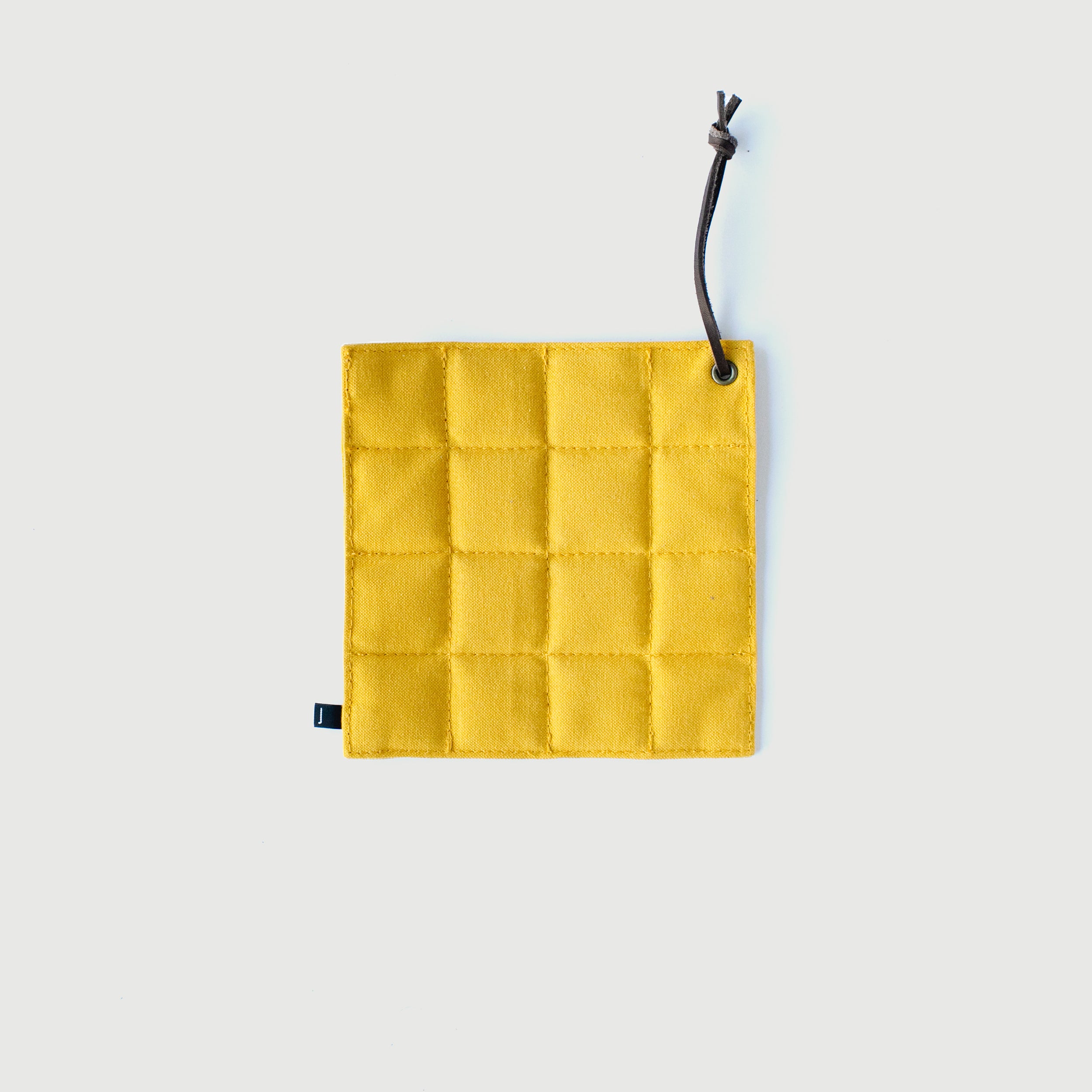
A square pot mat made from Kurashiki sailcloth canvas*.
*Thick, plain-woven fabric that weighs eight-ounces or more per square meter is called sailcloth. It is a natural material produced originally for boat sails in Kurashiki City, Okayama Prefecture in the late Edo Period. The company manage the entire process from the twisting of a single thread to the weaving a fabric roll. They still use shuttle looms (largely replaced in favour of modern, faster machines) to give the fabric a beautiful texture which develops a lovely patina with age. The 'selvedge' weft threads found on the sides of the fabrics are proof that the product is made with a shuttle loom.
Made in Japan
*Thick, plain-woven fabric that weighs eight-ounces or more per square meter is called sailcloth. It is a natural material produced originally for boat sails in Kurashiki City, Okayama Prefecture in the late Edo Period. The company manage the entire process from the twisting of a single thread to the weaving a fabric roll. They still use shuttle looms (largely replaced in favour of modern, faster machines) to give the fabric a beautiful texture which develops a lovely patina with age. The 'selvedge' weft threads found on the sides of the fabrics are proof that the product is made with a shuttle loom.
Made in Japan
Product Information
Product Information
Shipping & Returns
Shipping & Returns
Description
A square pot mat made from Kurashiki sailcloth canvas*.
*Thick, plain-woven fabric that weighs eight-ounces or more per square meter is called sailcloth. It is a natural material produced originally for boat sails in Kurashiki City, Okayama Prefecture in the late Edo Period. The company manage the entire process from the twisting of a single thread to the weaving a fabric roll. They still use shuttle looms (largely replaced in favour of modern, faster machines) to give the fabric a beautiful texture which develops a lovely patina with age. The 'selvedge' weft threads found on the sides of the fabrics are proof that the product is made with a shuttle loom.
Made in Japan
*Thick, plain-woven fabric that weighs eight-ounces or more per square meter is called sailcloth. It is a natural material produced originally for boat sails in Kurashiki City, Okayama Prefecture in the late Edo Period. The company manage the entire process from the twisting of a single thread to the weaving a fabric roll. They still use shuttle looms (largely replaced in favour of modern, faster machines) to give the fabric a beautiful texture which develops a lovely patina with age. The 'selvedge' weft threads found on the sides of the fabrics are proof that the product is made with a shuttle loom.
Made in Japan